What AMSIG 2026 revealed about radiology workforce pressure
Workforce pressure was the unspoken backdrop to almost every conversation that we had at AMSIG 2026. Whether it was between sessions, at exhibitor stands, or over coffee, the same themes kept coming up. Too few radiologists. Ongoing shortages of sonographers and radiographers. And increasing strain on teams trying to do more with less.
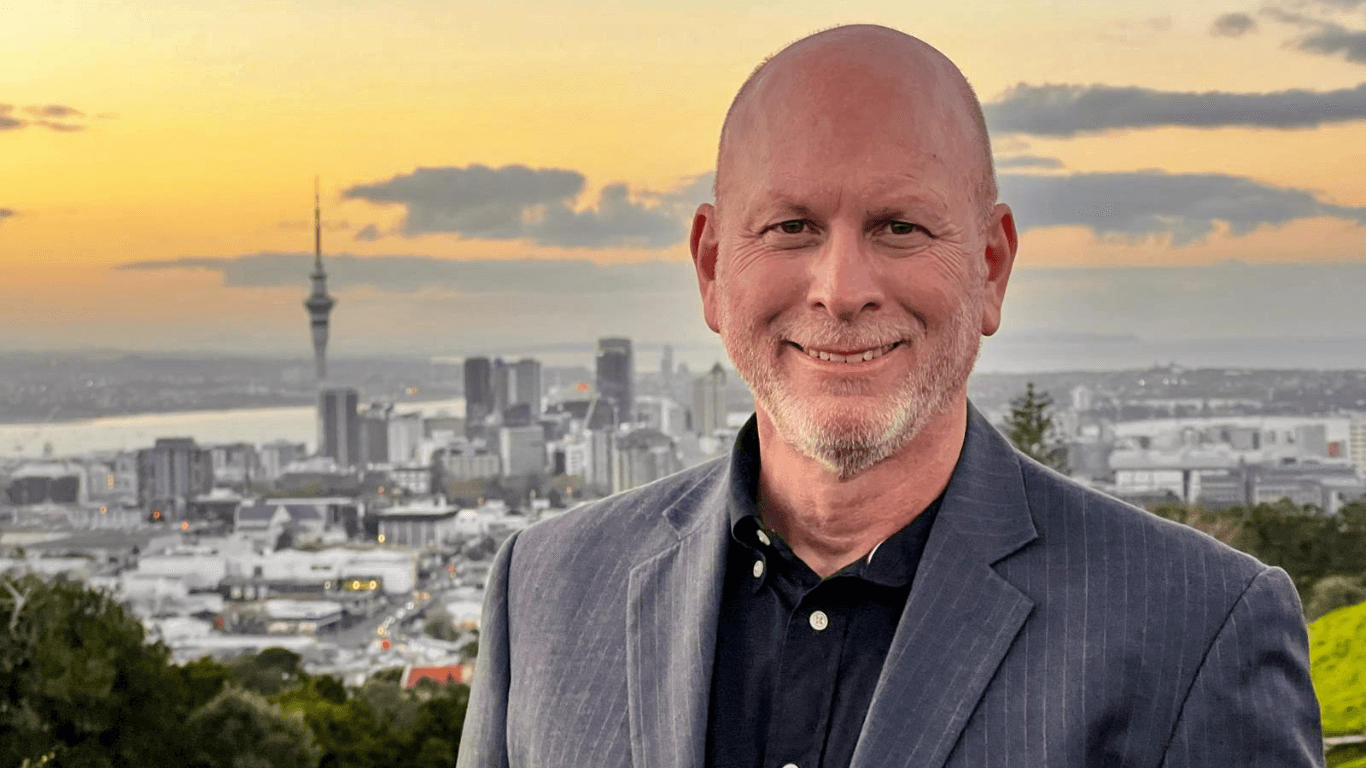
Compared with larger medical conferences, AMSIG has a uniquely collegiate feel. It creates space for honest, practical conversations about what is really happening on the ground. Attending with the radiology team from Wavelength, we had the chance to reconnect with clients and candidates, meet new faces and listen closely to what is changing, and what is not, in imaging right now.
From cross-border education initiatives to the realities of international recruitment and the limits of AI, AMSIG 2026 offered a clear snapshot of where workforce pressure in radiology is coming from and why it is unlikely to ease any time soon.
Radiology across borders
I managed to attend several sessions, and the standout for me was a presentation by Dr Matt Andrews, incoming President of AMSIG, on Radiology Across Borders. Founded in 2010, the nonprofit focuses on radiology education and capability-building in countries with less-resourced healthcare systems.
Matt highlighted some stark examples of workforce disparity across our region. Papua New Guinea has only four accredited radiologists for a population of around eight million people. The Cook Islands only installed a CT scanner in 2021 and still does not have a full-time radiologist.
Radiology Across Borders is focused on sustainable education rather than short-term volunteering. Through teaching programs in places such as Cambodia, Indonesia and Mongolia, the emphasis is on equipping local clinicians with skills and knowledge that remain long after visiting teams leave.

Workforce shortage challenges
Workforce shortages dominated many conversations. Most exhibitors, particularly private radiology groups on both sides of the ditch, spoke about the challenge of attracting radiologists, retaining experienced specialists and managing ongoing shortages of sonographers and radiographers.
Recruitment itself is only part of the challenge. Many employers also raised the operational and regulatory difficulties involved in bringing international clinicians into Australia and New Zealand in a timely way. Even where strong international interest exists, delays across registration, immigration and onboarding processes continue to place significant pressure on workforce planning.
Another clear takeaway was that recruitment challenges are no longer driven purely by financial factors. Increasingly, clinicians are asking detailed questions about workplace culture, flexibility, collegiality, teaching opportunities and professional support before accepting a role.
AI not taking over… yet
While AI and technological change remain major discussion points within radiology, AMSIG 2026 reinforced something more fundamental. Given the deepening shortages across radiology and adjacent professions, there is little sign the sector will reduce its reliance on well-trained people any time soon.
AI can support efficiency and accuracy, but it is no substitute for experienced clinicians, strong teams and sound clinical judgement. Another example, perhaps, of job replacement fears being overstated.
One of the clearest messages from AMSIG 2026 was that radiology remains, at its core, a people business. With shortages continuing across the profession, demand for skilled clinicians is only increasing.
For radiologists considering their next move, this creates more leverage than ever to ask the right questions about workload, flexibility, teaching and professional support. For employers, it means looking beyond recruitment alone and focusing on retention, onboarding and sustainable workforce planning. At Wavelength, our role is to help both sides navigate this pressure with clarity, realism and a long-term view.
How can we help? Get in touch for a friendly chat. Or browse current Radiology jobs here.